Korean Soups and Stews
Highlighted under: World Plates
Explore the rich and comforting world of Korean soups and stews, packed with flavors and ingredients that warm the soul.
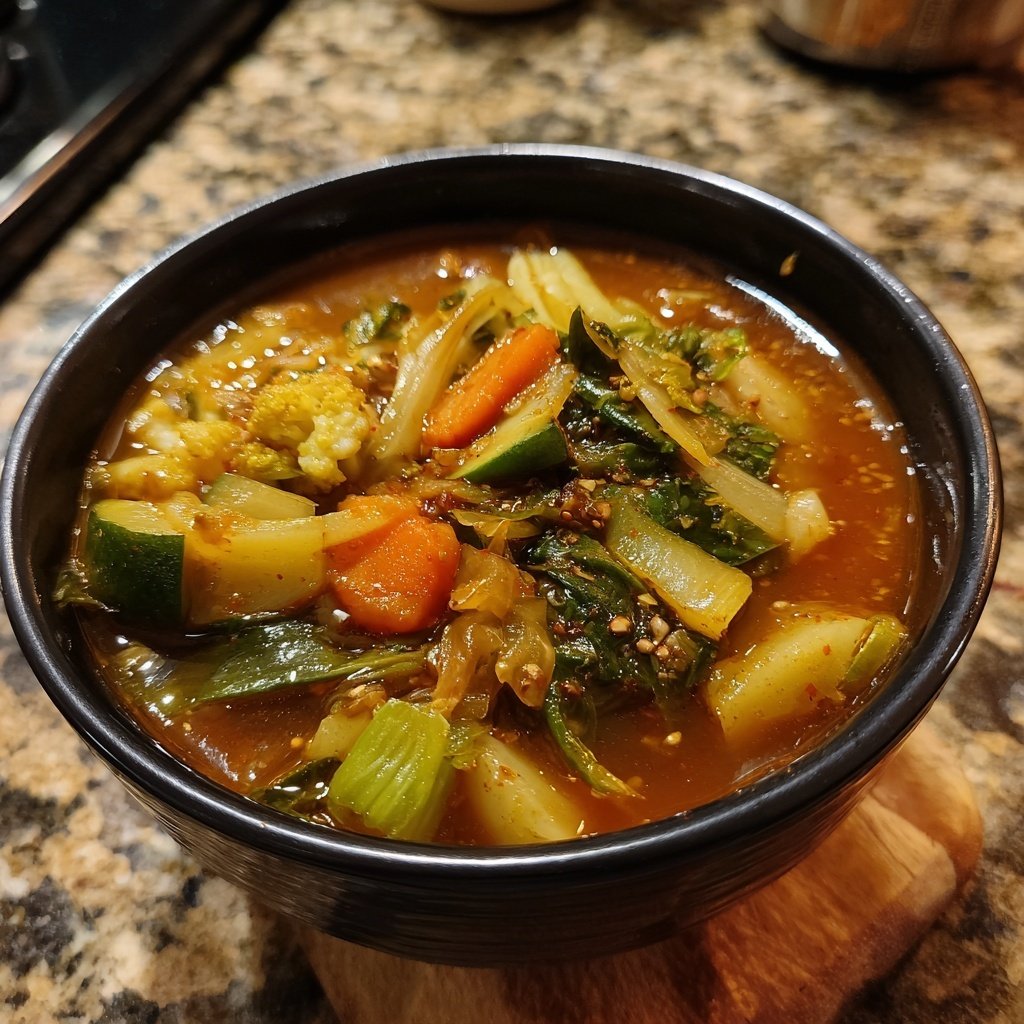
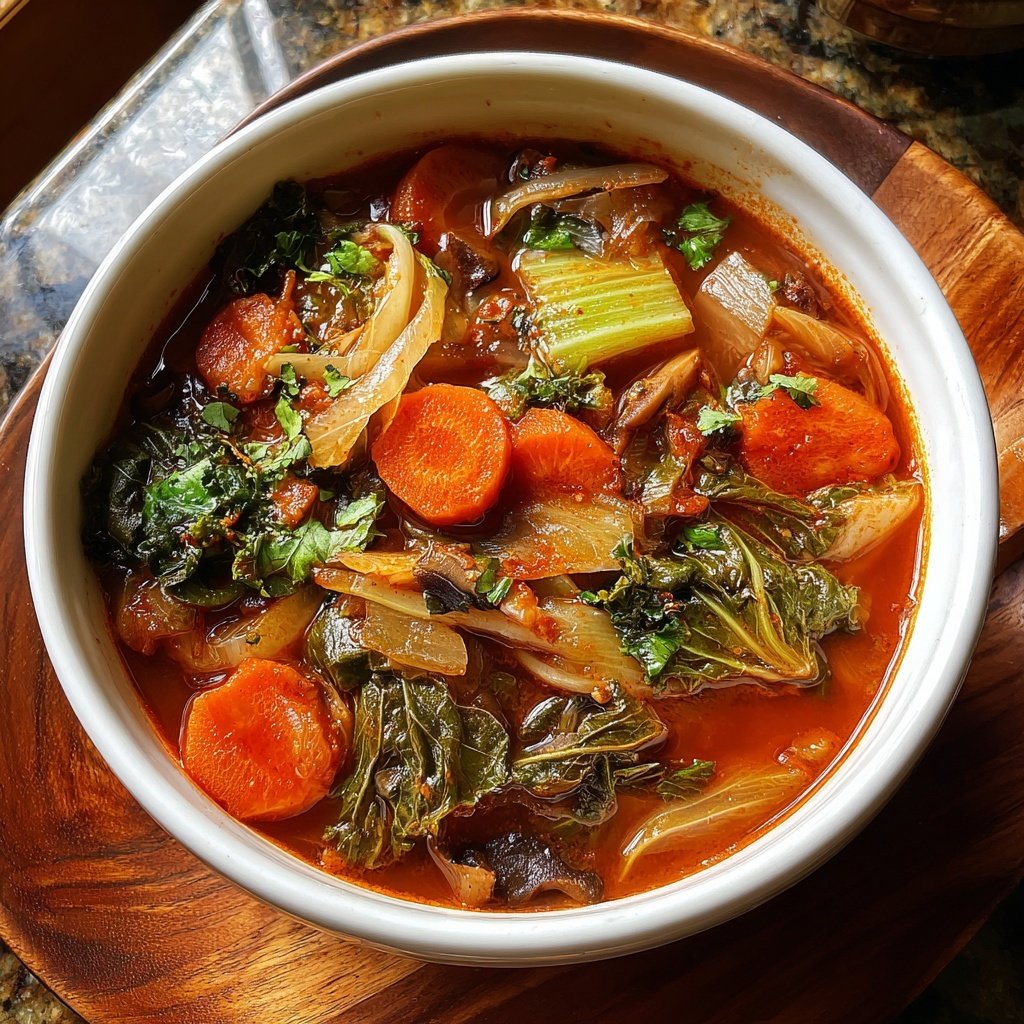
Korean soups and stews are a staple of Korean cuisine, perfect for family gatherings or a cozy dinner. With a variety of ingredients and flavors, each dish tells a story of tradition and warmth.
Why You Will Love This Recipe
- A harmonious blend of spices and fresh ingredients
- Hearty and satisfying, perfect for any occasion
- Versatile recipes that can be customized to your taste
The Essence of Korean Cuisine
Korean cuisine is renowned for its bold flavors and vibrant colors, often attributed to the use of fermented ingredients and a variety of spices. Soups and stews play a central role in Korean meals, embodying the warmth and comfort of home-cooked dishes. They are not just meals but an experience, often enjoyed with family and friends, fostering a sense of community and togetherness.
The unique blend of ingredients in Korean soups and stews reflects the country's agricultural abundance and cultural heritage. Ingredients like kimchi, tofu, and seafood are staples that add depth and character to the dishes. Each recipe tells a story, connecting the past with the present while inviting everyone to savor the rich tapestry of flavors.
Health Benefits of Korean Soups and Stews
Korean soups and stews are not only delicious but also packed with nutritional benefits. Kimchi, a key ingredient in many dishes, is rich in probiotics, vitamins, and minerals, promoting gut health and boosting the immune system. Similarly, the use of fresh vegetables and lean proteins provides essential nutrients, making these dishes hearty yet healthy.
Moreover, the cooking methods employed in these recipes—such as simmering and sautéing—help retain the nutrients in the ingredients. The result is a wholesome meal that nourishes both the body and the soul, making Korean soups and stews an excellent choice for those seeking comfort without compromising on health.
Customizing Your Korean Stews
One of the most appealing aspects of Korean soups and stews is their versatility. You can easily customize these recipes to accommodate your taste preferences and dietary restrictions. For instance, if you're vegetarian, simply omit the meat and add more vegetables or a plant-based protein like tofu. Alternatively, spice lovers can increase the amount of gochugaru or gochujang for an extra kick.
Feel free to experiment with different ingredients based on what you have on hand. Adding mushrooms, carrots, or even other seafood can elevate the flavor profile and create a unique dish tailored to your palate. The beauty of Korean cooking lies in its adaptability, allowing you to make each stew your own while still retaining its authentic essence.
Ingredients
Ingredients
For Kimchi Jjigae (Kimchi Stew)
- 1 cup kimchi, chopped
- 200g pork belly, sliced
- 1 medium onion, sliced
- 2 green onions, chopped
- 2 cups water or broth
- 1 tablespoon gochugaru (Korean red pepper flakes)
- 1 tablespoon soy sauce
- Tofu, diced (optional)
For Sundubu Jjigae (Soft Tofu Stew)
- 1 pack soft tofu
- 100g seafood mix (shrimp, mussels, etc.)
- 1/2 cup zucchini, sliced
- 1 tablespoon gochujang (Korean chili paste)
- 2 cups water or broth
- 1 egg
- 1 tablespoon sesame oil
Adjust ingredients according to personal taste and dietary preferences.
Instructions
Instructions
Prepare Kimchi Jjigae
In a pot, sauté the pork belly until browned. Add onions and cook until translucent. Stir in kimchi and cook for additional 5 minutes. Pour in water or broth, add gochugaru, soy sauce, and bring to a boil. Reduce heat and simmer for 20 minutes. Add tofu before serving.
Prepare Sundubu Jjigae
In a separate pot, heat sesame oil and add seafood mix and zucchini. Stir-fry for 5 minutes. Add gochujang and water or broth; bring to a boil. Gently add soft tofu and let simmer for 10 minutes. Crack an egg on top just before serving.
Serve hot with steamed rice and additional side dishes.
Pro Tips
- Feel free to add any vegetables you like to personalize your stew.
Tips for Perfecting Your Stews
To achieve the best flavor in your Korean stews, it's crucial to use high-quality, fresh ingredients. Opt for homemade kimchi if possible, as it brings a depth of flavor that store-bought versions may lack. Additionally, using a good-quality broth can significantly enhance the taste of your soup, making it richer and more satisfying.
Another tip is to allow your stews to simmer longer, as this helps the flavors meld beautifully. Patience is key! Don't rush the cooking process; the more time you give the ingredients to interact, the more delicious your dish will be.
Serving Suggestions
Korean soups and stews are typically served with a side of steamed rice, which complements the bold flavors and balances the meal. You might also consider serving some banchan, or Korean side dishes, such as pickled vegetables or seasoned greens, to enhance the dining experience.
For an authentic touch, serve your stew in traditional Korean earthenware pots, which retain heat well and keep your dish warm throughout the meal. This not only adds to the presentation but also elevates the experience, making every bite as enjoyable as the last.
Storing and Reheating Leftovers
If you find yourself with leftovers, Korean soups and stews store well in the refrigerator for up to three days. Simply place them in an airtight container to preserve freshness. When reheating, do so gently on the stovetop to maintain the texture of the ingredients, particularly if your stew contains delicate items like tofu or seafood.
For longer storage, consider freezing your stews. They can be frozen for up to three months. Just be sure to let the stew cool completely before transferring it to a freezer-safe container. When you're ready to enjoy your leftover stew, thaw it in the refrigerator overnight and reheat on the stove. This way, you can savor the comforting flavors of Korean cuisine anytime!
Questions About Recipes
→ Can I use chicken instead of pork?
Yes, chicken works well in both stews.
→ What if I don't like spicy food?
You can reduce the amount of gochugaru and gochujang to suit your taste.
→ How do I store leftovers?
Store in an airtight container in the refrigerator for up to 3 days.
→ Can I make this vegetarian?
Absolutely! Use vegetable broth and skip the meat.
Korean Soups and Stews
Created by: Ottilie James
Recipe Type: World Plates
Skill Level: Intermediate
Final Quantity: 4 servings
What You'll Need
For Kimchi Jjigae (Kimchi Stew)
- 1 cup kimchi, chopped
- 200g pork belly, sliced
- 1 medium onion, sliced
- 2 green onions, chopped
- 2 cups water or broth
- 1 tablespoon gochugaru (Korean red pepper flakes)
- 1 tablespoon soy sauce
- Tofu, diced (optional)
For Sundubu Jjigae (Soft Tofu Stew)
- 1 pack soft tofu
- 100g seafood mix (shrimp, mussels, etc.)
- 1/2 cup zucchini, sliced
- 1 tablespoon gochujang (Korean chili paste)
- 2 cups water or broth
- 1 egg
- 1 tablespoon sesame oil
How-To Steps
In a pot, sauté the pork belly until browned. Add onions and cook until translucent. Stir in kimchi and cook for additional 5 minutes. Pour in water or broth, add gochugaru, soy sauce, and bring to a boil. Reduce heat and simmer for 20 minutes. Add tofu before serving.
In a separate pot, heat sesame oil and add seafood mix and zucchini. Stir-fry for 5 minutes. Add gochujang and water or broth; bring to a boil. Gently add soft tofu and let simmer for 10 minutes. Crack an egg on top just before serving.
Extra Tips
- Feel free to add any vegetables you like to personalize your stew.
Nutritional Breakdown (Per Serving)
- Calories: 450 kcal
- Total Fat: 30g
- Saturated Fat: 10g
- Cholesterol: 150mg
- Sodium: 900mg
- Total Carbohydrates: 30g
- Dietary Fiber: 4g
- Sugars: 5g
- Protein: 20g